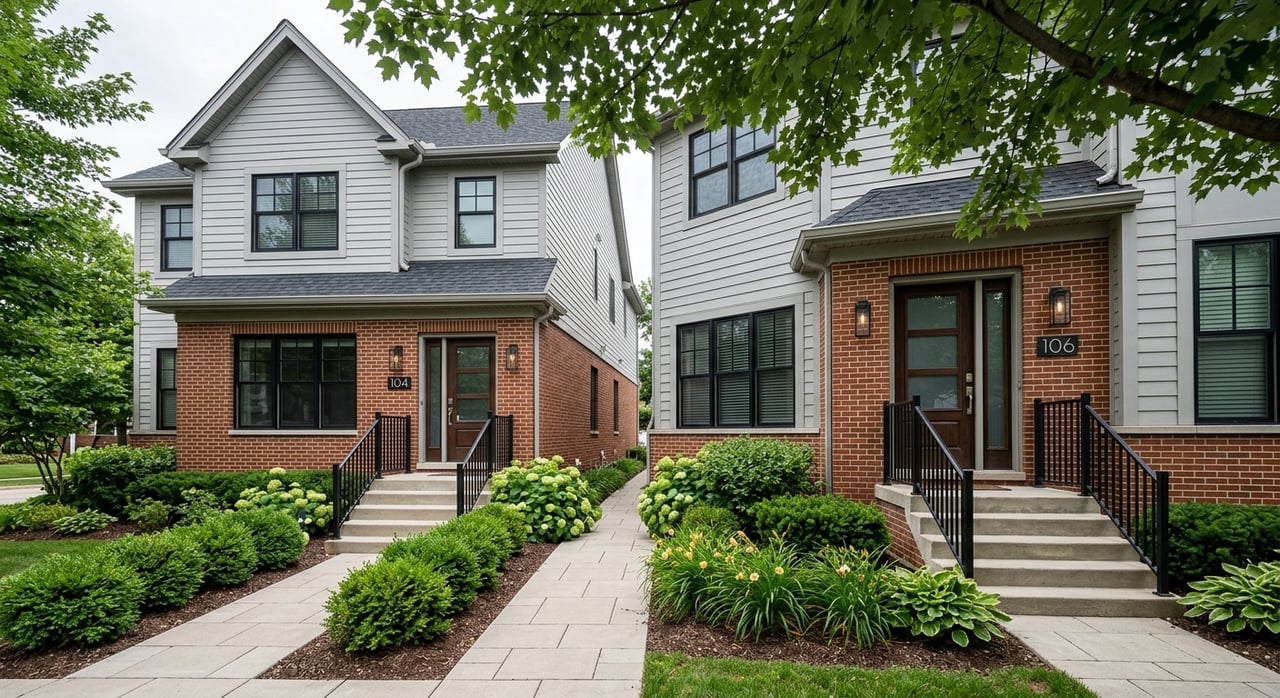
Condo And Townhome Living In Morristown NJ
June 4, 2026
June 4, 2026
Thinking about a condo or townhome in Morristown? You are not alone. For many buyers, Morristown offers a rare mix of walkability, transit access, and lower-maintenance living in a compact, active downtown setting. If you want to understand how condo and townhome living really works here, what fees and rules to expect, and what to review before you buy, this guide will help you move forward with more confidence. Let’s dive in.
Morristown packs a lot into a small footprint. The town says it covers about 2.8 square miles and has roughly 18,000 residents, yet it also offers 141 restaurants, 20 bars, 9 coffee shops, and more than 3,500 public parking spaces. That combination gives you a more urban routine without leaving a smaller New Jersey town.
Downtown Morristown is especially attractive if you value convenience. The Morristown Partnership describes the area around the Green as a walkable hub with housing, dining, fitness, entertainment, and retail close together. The town also notes that grocery stores, libraries, hospitals, doctors, gyms, and schools are within walking distance of one another.
If commuting matters, Morristown has another key advantage. The historic train station sits next to the Lafayette Avenue garage, and NJ Transit identifies Morristown Station as part of the Morris & Essex Line. That can make condos and townhomes near downtown appealing for buyers who want easier access to transit and major road connections like I-287 and NJ-24.
In Morristown, the words condo and townhome do not always tell you the full ownership story. In New Jersey, some townhouse communities are fee simple, which means you own the unit individually and the association may have little or no responsibility for residential building maintenance. Other townhome communities have common elements or building components managed by the association.
Condos work differently in many cases because shared property and maintenance obligations are usually built into the structure of the community. New Jersey’s Planned Real Estate Development rules require developers of common-interest communities, including condominiums, to register an offering plan before selling units. That is one reason the legal documents matter just as much as the listing description.
This distinction affects your day-to-day ownership experience. In one community, your monthly dues may cover major items like roofing, siding, hallways, landscaping, or parking areas. In another, the association may only handle limited shared spaces or amenities, leaving more upkeep in your hands.
Many buyers are drawn to condos and townhomes because they want less exterior maintenance. In the right community, that can be true. Depending on the association structure, common elements may include items like a pool, parking lot, lawn, hallways, basements, siding, windows, doors, or the roof.
That said, lower maintenance does not mean no responsibility. You still need to understand what the association maintains and what you must repair or replace yourself. Two homes that look similar online can come with very different maintenance obligations once you read the governing documents.
This is where careful review becomes important. If you are comparing Morristown properties, do not stop at square footage, price, and location. Look closely at how each community divides responsibility between the owner and the association.
Condo and townhome living in Morristown often comes down to a tradeoff between convenience and control. You may gain walkability, shared amenities, and less exterior upkeep. You may also take on monthly dues, association rules, and limits on certain changes to the property.
For some buyers, that tradeoff feels well worth it. Being close to downtown dining, coffee shops, services, and the train station can simplify your routine. For others, the added rules or recurring fees may feel less flexible than owning a property with fewer shared obligations.
The right fit depends on your budget and lifestyle. If you want a lock-and-leave setup near the center of town, a condo or townhome may line up nicely with your goals. If you prefer more control over exterior updates or fewer shared decisions, you will want to weigh the association structure very carefully.
One of the biggest mistakes buyers make is focusing only on the mortgage payment. HOA or condo dues are usually separate from the mortgage, and they can make a major difference in your monthly budget. As the Consumer Financial Protection Bureau notes, these fees can range from a few hundred dollars per month to more than $1,000.
That means your real monthly housing cost is usually more than principal and interest alone. You may also be paying property taxes, homeowners insurance, possibly mortgage insurance, and then HOA dues on top of that. When you compare Morristown condos and townhomes, the total monthly number matters more than the list price by itself.
It is also smart to ask what the fee actually covers. In one association, dues may include exterior maintenance, landscaping, and shared amenities. In another, the fee may be lower because it covers much less.
Monthly dues tell only part of the story. A healthy association budget should also account for operating expenses, deferred maintenance, and replacement reserves. New Jersey regulations require the public offering statement to include the proposed budget, annual assessment, monthly charges, reserve amounts, management documents, and the master deed.
Reserves are important because they help pay for future repair and replacement needs. If a community has aging roofs, siding, paving, or other major components, weak reserves can create pressure later. That can lead to fee increases or special assessments.
New Jersey regulations allow special assessments when immediate funds are needed for unforeseen conditions. Before you buy, ask whether the association has had any recent special assessments, whether reserves appear adequate, and how the budget lines up with the age and condition of the property.
In a condo or townhome purchase, documents can tell you more than the listing ever will. New Jersey rules point buyers toward a set of core materials that explain ownership rights, obligations, fees, and restrictions. Reviewing them early can help you avoid surprises.
Here are some of the most important documents to request:
These records can answer practical questions that matter in daily life. They can clarify whether you can make certain renovations, what happens if you want to rent or transfer the property, and which parts of the building or grounds are considered common elements.
A good condo or townhome decision is usually document-driven, but asking the right questions helps you interpret what you find. If you are considering a Morristown community, these questions can help you compare options more clearly.
Find out who currently controls the board. In newer communities, control may still be with the developer, with owners, or in a transition phase. That can affect how decisions are made and how mature the association’s operations are.
Ask whether there is a recent reserve study and whether it includes a letter of adequacy from an independent architect or engineer. This can give you a better sense of whether long-term repair planning is realistic. It can also help you judge whether current dues seem sustainable.
Do not assume the monthly fee means the same thing in every community. Ask for a clear breakdown of what is included and what is excluded. This can help you compare properties on a true apples-to-apples basis.
Review any restrictions on renovations, exterior changes, occupancy, or transfers. New Jersey regulations specifically call out restrictions on occupancy, alienation, and alteration. If you want flexibility, these rules deserve close attention before you commit.
Parking can be especially important in a busy downtown-centered market like Morristown. While the town offers more than 3,500 public parking spaces and the train station area includes parking and bike racks, unit-specific parking rules still vary by association. Confirm how many spaces come with the unit and whether guest parking is limited.
Morristown Station is on the Morris & Essex Line, but commute timing should never be assumed. Before you buy based on a train-friendly location, check current NJ Transit schedules and service patterns. A short distance to the station is valuable, but your actual routine depends on current service.
When you tour condos and townhomes in Morristown, try to compare them through the lens of lifestyle fit, not just finishes. A beautifully updated unit may still be the wrong choice if the fee structure, parking setup, or rules do not work for you. On the other hand, a less flashy home in a well-run association may offer better long-term value.
A simple comparison checklist can help. Focus on the total monthly cost, what the dues cover, reserve strength, parking, renovation limits, and proximity to the places you plan to use most often. In Morristown, that may include downtown services, dining, garages, and the train station.
The goal is not just to buy a home that looks good today. It is to buy into a community structure that fits how you want to live.
Morristown can be a strong choice if you want a home that supports a more walkable, connected routine. The town’s compact layout, active downtown, and access to the Morris & Essex Line make condos and townhomes appealing for buyers who want convenience without the upkeep of a larger property. At the same time, each community comes with its own rules, fee structure, and maintenance responsibilities.
That is why the best buying decision usually comes down to details. If the association’s finances, parking, documents, and rule set fit your budget and lifestyle, condo or townhome living in Morristown can be a smart and practical move. If you want help comparing options and understanding what to look for, working with a local guide can make the process much less stressful.
If you are considering a condo or townhome in Morristown and want clear, hands-on guidance, connect with Geraldine Perez for a no-obligation conversation about your goals.
Stay up to date on the latest real estate trends.
Get assistance in discussing your local market, determining your property value, crafting a competitive offer, preparing/negotiating a contract, and much more. Contact me today to discuss all your real estate needs!