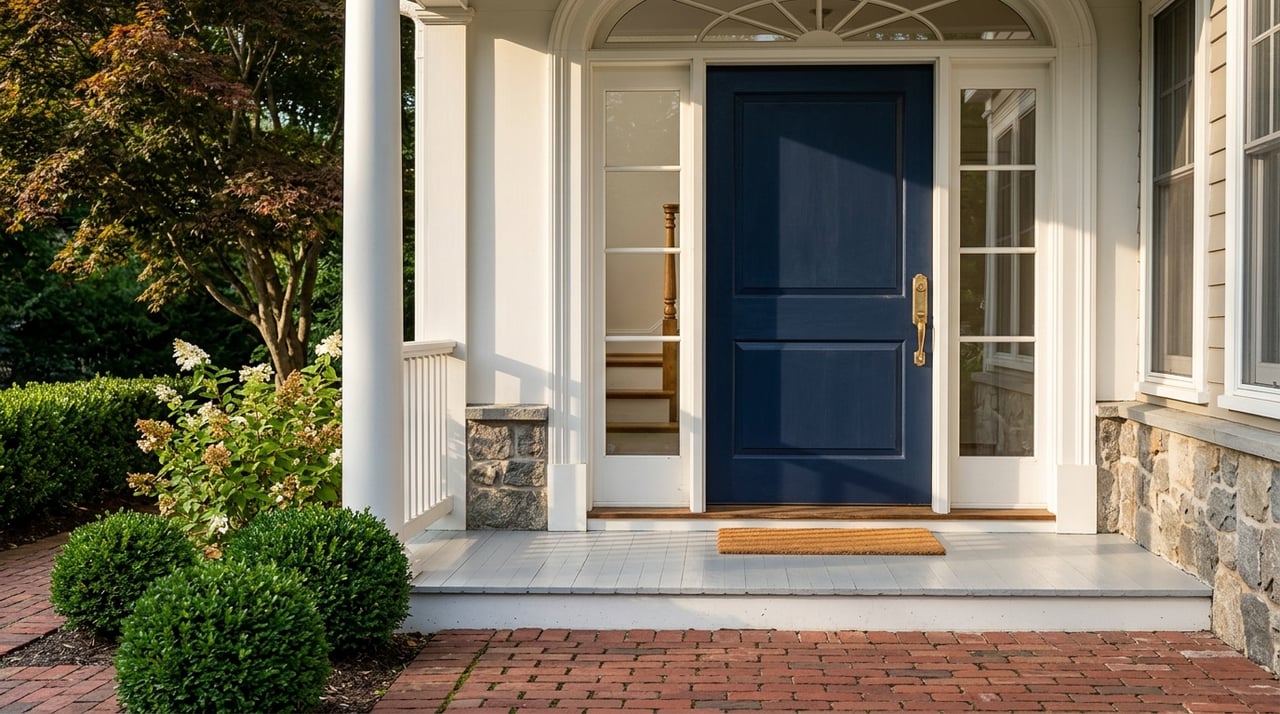
Selling A Historic Home In Bernardsville NJ: What To Know
May 28, 2026
May 28, 2026
Wondering how to sell a historic home in Bernardsville without losing what makes it special? If your home has age, architectural detail, or a documented place in the borough’s story, you may be balancing two goals at once: protecting character and getting ready for the market. The good news is that with the right prep, clear documentation, and thoughtful marketing, you can present your home in a way that gives buyers confidence and highlights its value. Let’s dive in.
Bernardsville has an active preservation culture, and that matters when you sell. The borough’s Historic Preservation Advisory Committee has focused on more than 100 historic structures, the Olcott Avenue Historic District, the Dunster-Squibb Property, and a thematic multiple-property nomination tied to the Somerset Hills Country Place Era from 1870 to 1940.
The borough also offers Downtown Bernardsville and Olcott Historic District walking tours. That tells you something important: historic character is part of the town’s public identity. For many buyers, a historic home here is not just about square footage. It is also about architecture, setting, and story.
Before you list, gather the facts about your home in one place. A simple record can make your sale smoother and help buyers understand what they are seeing. It also helps reduce confusion during inspections and contract negotiations.
Your packet may include:
For a historic property, this kind of packet does more than organize paperwork. It helps show what is original, what has been repaired, and what has been replaced. That can make a big difference when buyers are trying to understand condition and authenticity.
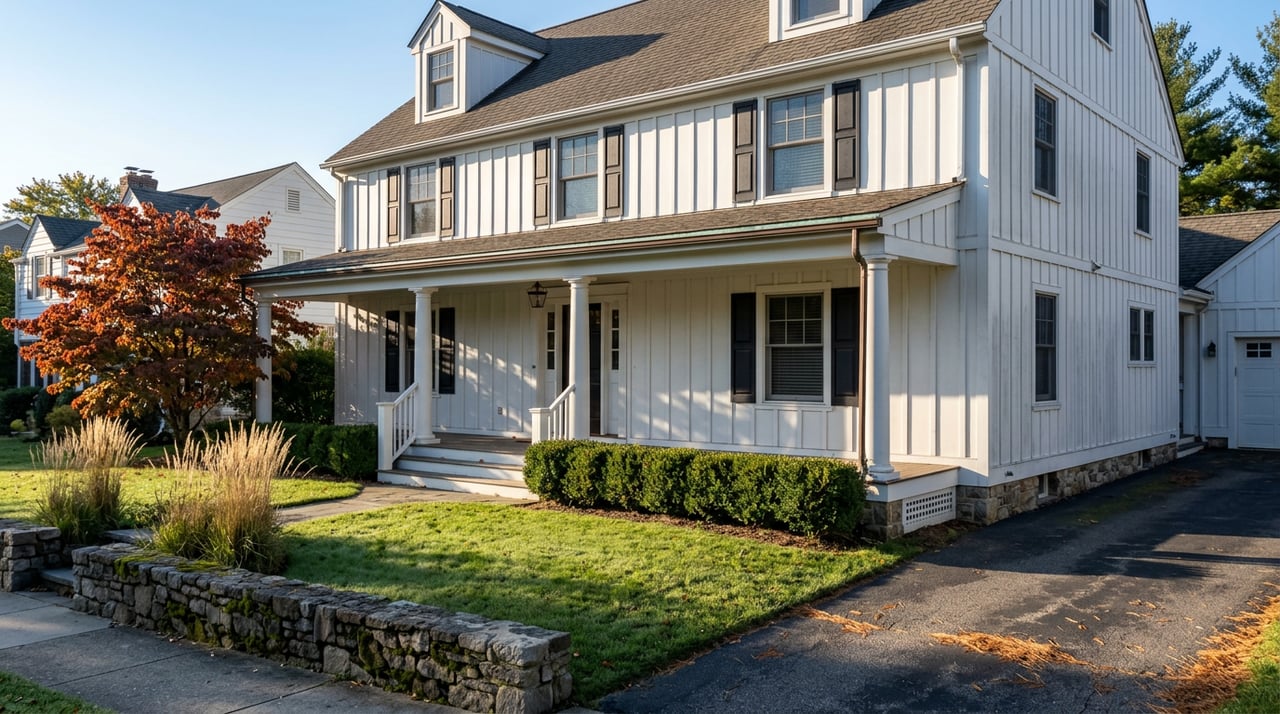
When you prepare a historic home for sale, the goal is not to make it look generic. The goal is to make it look cared for, functional, and true to itself. Buyers interested in older homes are often responding to the details that newer homes simply do not have.
The National Park Service guidance on rehabilitation emphasizes preserving the materials, features, spaces, and spatial relationships that convey a property’s historic value. In practical terms, that means your home’s original millwork, staircase, fireplace surrounds, porch details, masonry, and setting may be some of its strongest selling points.
As you get ready for photos and showings, pay attention to details like:
A clean, simple presentation usually works better than over-staging. You want buyers to notice the home’s craftsmanship, not decor that competes with it.
If you are planning exterior updates before listing, pause before starting. In Bernardsville, the local code says the Historic Preservation Advisory Committee advises the Planning Board and Board of Adjustment on development applications involving historic preservation districts or historic sites. Permit applications for historic sites are also referred to the committee for an advisory report.
That means the approval path may matter, especially for exterior projects. If your home is a historic site or within an area affected by preservation review, checking first can help you avoid delays or work that creates complications later.
Before moving ahead, it may be wise to confirm the process for items such as:
Even if your goal is simply to improve curb appeal, it helps to know what review may apply before contractors begin.
In New Jersey, seller disclosures are not something to leave until the last minute. The state’s Seller’s Property Condition Disclosure Statement requires sellers to disclose known material defects. It also asks direct questions that often matter even more in an older home.
For example, the form includes questions about the age of the house, roof age, and roof leaks. If buyers are considering a historic property, they will likely pay close attention to those answers.
Historic homes often bring extra buyer questions about condition. Expect interest in:
The best approach is simple: answer consistently, gather records early, and avoid uncertainty when documentation can help clarify the issue. If you have permits, invoices, or prior reports, keep them ready.
New Jersey also requires a Flood Risk Addendum, and the flood-risk questions are mandatory for all sellers of real property. This is separate from the general idea of describing the home’s condition.
Because the form is required, it is smart to prepare for it early in the listing process. That gives you time to gather accurate information and answer questions carefully rather than rushing near contract time.
If your Bernardsville home was built before 1978, lead-based paint disclosure may be part of your sale. Under the federal Lead-Based Paint Disclosure Rule, sellers of most pre-1978 housing must disclose known lead information, provide available records and reports, give the required lead pamphlet, and allow buyers a 10-day opportunity to test for lead paint hazards before the contract is signed.
For sellers of older homes, this is another reason to organize records early. If you already have reports or documentation, having them ready can make the process more straightforward.
Inspections can feel stressful in any sale, but they can be especially important with a historic home. Older systems, visible aging, and past repairs often lead buyers to ask more detailed follow-up questions.
A well-organized response helps keep the conversation focused on actual condition instead of uncertainty. When buyers can see a clear repair timeline and supporting records, they are often in a better position to make informed decisions.
Before listing, it helps to gather:
This does not erase the realities of an older home. It does help you present those realities clearly and calmly.
The best marketing for a historic Bernardsville home is usually detailed and factual. A vague description like “full of charm” does not tell buyers much. A stronger approach explains what makes the property distinctive and how it has been maintained over time.
That can include the home’s period, notable architectural features, known restorations, and updates that support modern living while respecting original character. In a town where preservation is visible in public programming and walking tours, buyers may appreciate a property story grounded in real details.
A thoughtful historic-home listing package may feature:
This kind of presentation helps buyers see not just the home, but the care behind it.
As you plan your sale, remember to account for New Jersey closing taxes. In most transfers, the seller pays the Realty Transfer Fee. If the transaction is over $1 million, a Graduated Percent Fee may also apply.
These costs can affect your net proceeds, so it helps to factor them in early. That way, your pricing and sale strategy are based on a clearer financial picture.
Selling a historic home in Bernardsville is part pricing, part preparation, and part storytelling. You want buyers to see the home’s beauty, but you also want them to feel informed and comfortable moving forward.
That usually means doing the basics very well: document what you know, verify any needed approval path for exterior work, prepare for disclosures, and market the home with specific facts instead of broad claims. When you do that, your home’s history becomes a strength, not a complication.
If you are thinking about selling and want a plan that respects your home’s character while preparing it for today’s market, Geraldine Perez can help you build a thoughtful, low-stress strategy from start to finish.
Stay up to date on the latest real estate trends.
Get assistance in discussing your local market, determining your property value, crafting a competitive offer, preparing/negotiating a contract, and much more. Contact me today to discuss all your real estate needs!